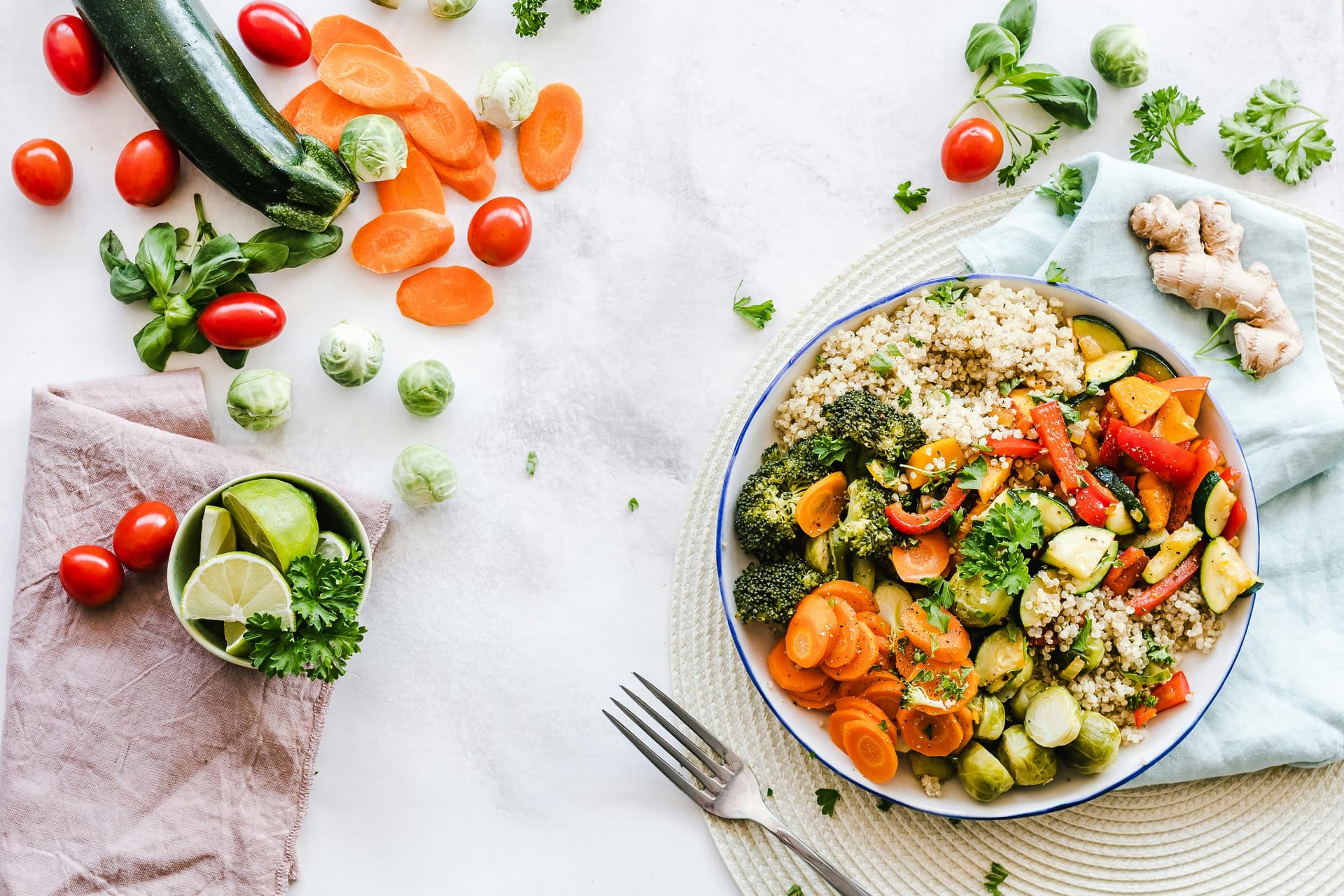
A scientifically-designed 28-day meal plan specifically for women in perimenopause. Combat hormone-driven weight gain with metabolism-boosting foods, stabilize energy levels, and support your body through this natural transition.
Understanding Perimenopause Weight Gain
Why Weight Loss Gets Harder During Perimenopause
Perimenopause typically begins in your 40s and can last 4-10 years. During this time, declining estrogen and progesterone levels create metabolic changes that make weight management more challenging.
Metabolic Changes
- • Basal metabolic rate decreases by 2-5% per decade
- • Women lose 3-8% of muscle mass per decade
- • Insulin resistance risk increases by 15-20%
Hormonal Effects
- • Fluctuating hormones increase cravings
- • Estrogen decline shifts fat storage to midsection
- • Cortisol levels may increase with poor sleep
Hormones That Affect Weight
- Estrogen: Declining levels slow metabolism and increase belly fat
- Progesterone: Low levels can cause water retention and cravings
- Testosterone: Decreases muscle mass and metabolic rate
- Cortisol: Chronic stress increases belly fat storage
- Insulin: Reduced sensitivity makes weight loss harder
- Thyroid: Often becomes less active during perimenopause
Foods That Support Hormone Balance
- Phytoestrogens: Soy, flaxseeds, legumes provide natural estrogen-like compounds
- Omega-3 Fatty Acids: Salmon, walnuts reduce inflammation and support mood
- Fiber-Rich Foods: Help metabolize and eliminate excess hormones
- Protein: Maintains muscle mass and supports stable blood sugar
- Cruciferous Vegetables: Support liver detoxification of hormones
- Complex Carbs: Support serotonin production and mood stability
"During perimenopause, the body's metabolism undergoes significant changes. A diet rich in phytoestrogens, omega-3 fatty acids, and adequate protein can help mitigate weight gain while supporting overall hormonal balance."
Endocrinologist, Women's Health Specialist
The Perimenopause Weight Loss Strategy
4-Week Progressive Meal Plan Structure
Week 1-2: Hormone Stabilization
- • Focus on blood sugar stability
- • Introduce phytoestrogen-rich foods
- • Emphasize anti-inflammatory ingredients
- • Establish consistent meal timing
- • Target: 1,400-1,600 calories daily
Week 3-4: Metabolism Boost
- • Increase protein to preserve muscle
- • Add metabolism-boosting spices
- • Incorporate intermittent fasting
- • Focus on gut health foods
- • Target: 1,300-1,500 calories daily
Daily Macronutrient Targets
30% (105-120g)
35% (120-140g)
35% (50-60g)
30-35g daily
Week 1-2: Hormone-Balancing Breakfast Ideas

Phytoestrogen Power Bowl
Ingredients:
- • 1/2 cup steel-cut oats
- • 1 tbsp ground flaxseed
- • 1/4 cup plain Greek yogurt
- • 1/2 cup mixed berries
- • 1 tbsp almond butter
- • 1 tsp chia seeds
- • Cinnamon to taste
Perimenopause Benefits:
- Flaxseed: Contains lignans that help balance estrogen
- Fiber: Supports healthy hormone metabolism
- Protein: Prevents muscle loss and stabilizes blood sugar
- Antioxidants: Combat oxidative stress from hormone changes
Nutrition: 385 calories | 18g protein | 12g fiber | Phytoestrogen-rich
Hormone-Supporting Smoothie
Ingredients:
- • 1 cup unsweetened soy milk
- • 1/2 cup silken tofu
- • 1/2 banana
- • 1 cup spinach
- • 1 tbsp almond butter
- • 1 tsp maca powder
- • 1/2 tsp vanilla extract
Key Nutrients:
- Soy Isoflavones: Natural phytoestrogens
- Maca: Adaptogen that may help with hormone balance
- Folate: Important for mood and energy
- Magnesium: Supports better sleep and reduces anxiety
Nutrition: 320 calories | 16g protein | 8g fiber | Hormone-balancing adaptogens
Week 1-2: Anti-Inflammatory Lunch Options
Mediterranean Quinoa Salad Bowl
Protein Base:
- • 3/4 cup cooked quinoa
- • 3 oz grilled salmon
- • 2 tbsp hemp seeds
Vegetables:
- • 2 cups mixed greens
- • 1/2 cup cherry tomatoes
- • 1/4 cup red onion
- • 1/4 cup cucumber
Healthy Fats:
- • 1/4 avocado
- • 1 tbsp olive oil
- • 1 tbsp lemon juice
- • 10 kalamata olives
Anti-Inflammatory Benefits: Omega-3 fatty acids from salmon reduce inflammatory markers that worsen during perimenopause. Quinoa provides complete protein to maintain muscle mass.
Nutrition: 465 calories | 28g protein | 9g fiber | 1,200mg omega-3s
Lentil & Vegetable Power Soup
Ingredients (Serves 4):
- • 1 cup red lentils
- • 2 cups vegetable broth
- • 1 cup diced tomatoes
- • 1 cup chopped kale
- • 1/2 cup carrots, diced
- • 1/2 cup celery, diced
- • 2 cloves garlic, minced
- • 1 tbsp olive oil
- • Turmeric, cumin, black pepper
Metabolism Benefits:
- Plant Protein: 18g per serving supports muscle maintenance
- Turmeric: Reduces inflammation and may boost metabolism
- Fiber: 15g helps with satiety and hormone detox
- Iron: Prevents fatigue common in perimenopause
Prep Tip: Make a large batch on Sunday and portion into 4 containers for easy lunches throughout the week.
Nutrition: 285 calories | 18g protein | 15g fiber | High in folate
Week 3-4: Metabolism-Boosting Dinners

Spiced Chicken with Roasted Vegetables
Ingredients (Serves 4):
- • 4 chicken breast fillets (4 oz each)
- • 2 cups Brussels sprouts, halved
- • 1 cup sweet potato, cubed
- • 1 red bell pepper, sliced
- • 2 tbsp olive oil
- • 2 tsp cumin
- • 1 tsp paprika
- • 1/2 tsp cayenne pepper
- • 1 tsp garlic powder
Thermogenic Spices:
- Cayenne: Contains capsaicin that boosts metabolism by 5-10%
- Cumin: May increase fat burning and improve insulin sensitivity
- Paprika: Rich in antioxidants that support cellular energy
- Lean Protein: Increases thermic effect of food
Cooking Method: Rub chicken with spices, roast at 425°F for 25 minutes. Roast vegetables alongside for the last 20 minutes.
Nutrition: 385 calories | 35g protein | 7g fiber | Metabolism-boosting spices
Hormone-Balancing Tofu & Vegetable Stir-Fry
Ingredients (Serves 3):
- • 6 oz extra-firm tofu, cubed
- • 2 cups broccoli florets
- • 1 cup snap peas
- • 1 red bell pepper, sliced
- • 2 cloves garlic, minced
- • 1 tbsp fresh ginger, grated
- • 2 tbsp sesame oil
- • 1 tbsp low-sodium soy sauce
- • 1 tsp sesame seeds
Perimenopause Support:
- Soy Isoflavones: May help reduce hot flashes
- Cruciferous Vegetables: Support liver detoxification
- Ginger: Anti-inflammatory and may boost metabolism
- Plant Protein: Complete amino acid profile
Quick Cooking: Press tofu, cube and sear until golden. Stir-fry vegetables in order of cooking time, add sauce at the end.
Nutrition: 295 calories | 20g protein | 8g fiber | 45mg isoflavones
Strategic Snacks for Hormone Balance
Omega-3 Energy Balls
- • 1 cup dates, pitted
- • 1/2 cup walnuts
- • 2 tbsp ground flaxseed
- • 1 tbsp almond butter
- • 1 tsp vanilla
Process in food processor, roll into 12 balls. Store in fridge up to 1 week.
Benefits: Healthy fats support hormone production. Natural sugars provide steady energy.
110 calories | 3g protein per ball
Greek Yogurt Parfait
- • 3/4 cup Greek yogurt
- • 1/4 cup mixed berries
- • 1 tbsp ground flaxseed
- • 1 tsp honey
- • 2 tbsp chopped almonds
Layer ingredients in jar or bowl. Perfect afternoon snack or light breakfast.
Benefits: Probiotics support gut health. High protein prevents muscle loss.
185 calories | 18g protein
Edamame with Sea Salt
- • 1/2 cup shelled edamame
- • Pinch of sea salt
- • Squeeze of lemon
Steam frozen edamame for 5 minutes, season with salt and lemon.
Benefits: Phytoestrogens help balance hormones. Plant protein supports satiety.
95 calories | 8g protein | 25mg isoflavones
Intermittent Fasting for Perimenopause
Modified 14:10 Approach for Women 40+
Gentle Fasting Schedule
Benefits for Women 40+
- • Insulin Sensitivity: Improves glucose metabolism
- • Growth Hormone: Increases during fasting periods
- • Autophagy: Cellular repair and renewal
- • Cortisol Regulation: Less stressful than longer fasts
- • Sleep Quality: Earlier dinner improves rest
Important Considerations
- • Start with 12:12 and gradually extend if comfortable
- • Avoid fasting during high-stress periods
- • Stop fasting if you experience severe fatigue, mood changes, or sleep disruption
- • Consult healthcare provider if you have diabetes or eating disorder history
- • Listen to your body - some days may require regular meal timing
Supplementation Support for Perimenopause

Evidence-Based Supplements
Vitamin D3 (2000-4000 IU)
Supports bone health, mood, and immune function. Most women are deficient.
Omega-3 (1000-2000mg)
Reduces inflammation, supports brain health, and may ease mood swings.
Magnesium (300-400mg)
Improves sleep quality, reduces anxiety, and supports muscle function.
B-Complex
Supports energy metabolism and nervous system function during hormonal changes.
Herbal Support Options
Black Cohosh
May reduce hot flashes and night sweats in some women.
Red Clover
Contains isoflavones that may help with mild hormonal symptoms.
Ashwagandha
Adaptogen that may help manage stress and support adrenal function.
Evening Primrose Oil
May help with breast tenderness and PMS symptoms.
Important: Always consult with your healthcare provider before starting new supplements, especially if you're considering or using hormone replacement therapy (HRT). Some herbs can interact with medications or may not be appropriate for certain health conditions.
Lifestyle Factors That Support Weight Loss
Sleep Optimization
- • Aim for 7-9 hours nightly
- • Keep bedroom cool (65-68°F)
- • Limit screens 2 hours before bed
- • Consider blackout curtains
- • Try magnesium before bed
Why it matters: Poor sleep increases cortisol and disrupts hunger hormones.
Stress Management
- • Daily meditation (10-20 minutes)
- • Regular yoga or gentle stretching
- • Deep breathing exercises
- • Nature walks
- • Journaling
Why it matters: Chronic stress elevates cortisol, promoting belly fat storage.
Movement Strategy
- • Strength training 2-3x/week
- • Moderate cardio 150 min/week
- • Daily walks (8,000-10,000 steps)
- • Flexibility work 2-3x/week
- • HIIT 1-2x/week (if appropriate)
Why it matters: Resistance training prevents muscle loss during hormone decline.
Tracking Progress Beyond the Scale
Comprehensive Progress Markers
Physical Measurements
- • Body measurements (waist, hips, arms)
- • Progress photos (same time, lighting, pose)
- • How clothes fit
- • Body composition (if available)
- • Weekly weight (same day/time)
Health & Energy Markers
- • Energy levels throughout the day
- • Sleep quality and duration
- • Mood stability
- • Hot flash frequency/intensity
- • Cravings and appetite control
Weekly Check-In Questions
- • How is my energy compared to last week?
- • Are my clothes fitting better?
- • How well did I sleep this week?
- • Did I experience fewer cravings?
- • How is my mood and stress level?
Frequently Asked Questions
References
Transform Your Perimenopause Journey
Get personalized meal plans, hormone tracking, and expert support designed specifically for women navigating perimenopause and menopause.
No spam, unsubscribe at any time.